

Blog
How To Test For Radon In Your Home In NY
Learning how to test for radon in your home starts with choosing a test kit or radon monitor and placing it in the lowest level of your home that you regularly use. Follow the test instructions for placement and timing, then send the kit to the designated lab if required. If the result is 4 pCi/L or higher, professional testing can confirm the radon level and help determine your next steps.
What Is Radon And Why Radon Testing Matters For Your Health
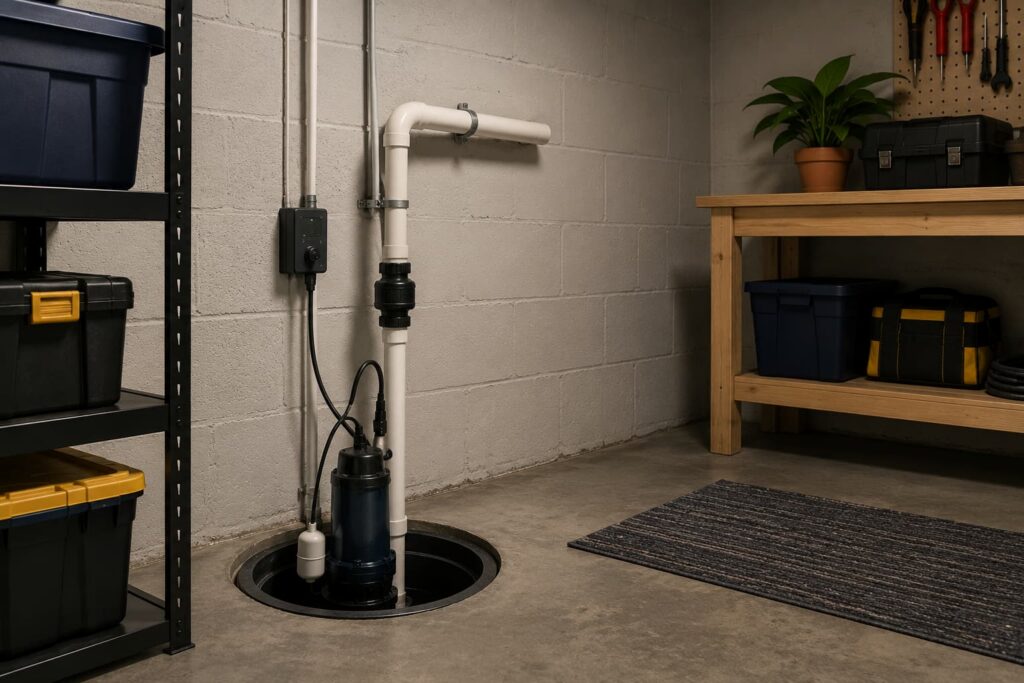
Radon is a radioactive gas that forms naturally as uranium breaks down in soil and rock. It can enter a home through foundation cracks, gaps around pipes, sump openings, and other openings between the house and the ground.
You cannot see or smell radon. Long-term exposure increases the risk of lung cancer, which is why testing matters even when your home has no obvious problems. Testing is the only way to know how much radon is present in your home.
Radon isn't the only concern that can affect the air inside your house. Our guide, how do you test the air quality in your home, covers other indoor air concerns and ways to identify them.
How Do You Test For Radon In Your Home?
You can start with a short-term or long-term test. The right option depends on how quickly you need results and how long you want to measure the home's radon level.
Short-Term Home Radon Test Options
A short-term home radon test commonly measures radon for 2 to 7 days. Charcoal test kits and digital monitors are common options when you need results relatively quickly, including during some real estate transactions.
Follow the instructions supplied with the device because placement, timing, and conditions inside the house can affect the measurement.
Long-Term Radon Measurement For More Accurate Results
Long-term tests remain in place for 90 days or longer. Because radon levels change over time, the longer testing period gives you a better picture of the home's average exposure.
A long-term home radon test kit is useful when you want to track levels across different weather and seasonal conditions. Digital monitors make it easier to track readings over time, while our home automation installation services can help with other connected systems around your home.
How To Use A Radon Test Kit In Your Home
The instructions included with your radon test kit take priority, but correct placement and an undisturbed testing period are important for accurate results.
Where To Place A Radon Test Kit
Place the kit on the lowest level of the home that is regularly occupied, such as a finished basement or first floor. Keep it away from kitchens, bathrooms, exterior doors, windows, fans, and other areas with strong drafts or high humidity.
Basements often contain furnaces, water heaters, and other mechanical equipment, so choose a testing location away from equipment that affects airflow. If you're installing a new water heater or making other changes in the basement, follow the test kit's placement instructions and keep the testing area undisturbed.
For short-term testing, follow the required closed-house conditions. Rochester's cold winters make it especially important to follow the kit instructions instead of changing normal ventilation during the test.
Step-By-Step Instructions For A Home Radon Test
- Read the instructions before opening or activating the kit.
- Choose the lowest regularly occupied level of the home.
- Place the kit in the recommended location away from drafts and high humidity.
- Record the start time and leave the test undisturbed for the required period.
- Stop and seal the test as directed.
- Send it to the designated laboratory if the kit requires lab analysis.
- Review the radon measurement when the results are returned.
Following the instructions carefully helps you get a useful result.
Professional Radon Testing Services In NY
DIY kits are useful for initial testing, but professional radon testing services are available when you want testing performed by a trained professional or need help confirming a result.
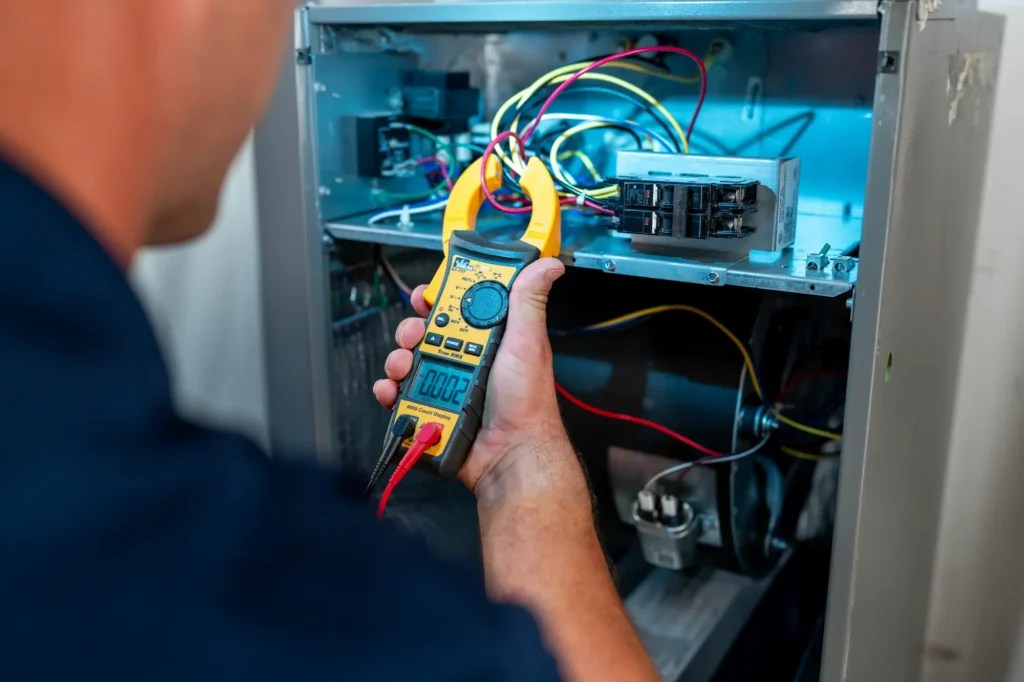
Professional testing can use a calibrated radon monitor to measure conditions in the home. John Betlem Heating & Cooling can help Rochester homeowners determine the next step when testing identifies a radon concern.
Radon testing measures a specific indoor-air hazard.
Understanding Your Radon Test Results And Next Steps
A radon test result of 4 pCi/L or higher reaches the EPA action level. If your result is elevated, follow the recommended testing steps and consider professional radon testing & mitigation to determine how radon can be reduced in the home.
Testing remains important after changes that affect the house or foundation. If you are remodeling, sealing a basement, or completing other major work, test again as recommended.
For Rochester homeowners near Route 441, Linden Avenue, and surrounding communities, John Betlem Heating & Cooling can help with professional radon testing and mitigation solutions.
If you need help understanding your results or scheduling professional testing, contact John Betlem Heating & Cooling.
Schedule Online(585) 357-0415Frequently Asked Questions
Homeowners in NY should perform a radon test at least every two years or after major renovations. Radon levels can change over time due to foundation shifts or airflow changes in your home. Using a test kit for regular testing provides updated information about radon levels and protects your health from risks like lung cancer. John Betlem Heating & Cooling can also provide professional radon testing in NY if you want more precise results.
A home radon test kit can provide accurate results when used correctly and placed in the proper area of your home. Short-term and long-term radon test options both measure radon levels, but long-term testing offers more reliable averages. If results show elevated radon levels, professional testing and mitigation in NY through John Betlem Heating & Cooling can confirm findings and help reduce cancer risks linked to radon exposure.
The EPA recommends taking action if radon levels reach 4 pCi/L or higher in your home. At this level, prolonged exposure increases the risk of lung cancer. A radon test or test kit will provide detailed results and information about your indoor air quality. In NY, John Betlem Heating & Cooling offers radon testing and mitigation services to help lower radon levels and protect your home and health.
A test kit is an affordable way to test for radon in house settings, but professional radon testing services provide more comprehensive radon measurement and faster results. If you are buying or selling a home in NY, a certified radon test from John Betlem Heating & Cooling ensures accurate information about radon levels and helps determine whether mitigation is needed to reduce lung cancer risk and improve indoor air quality.