


Blog
What Is A Sump Pump In NY?
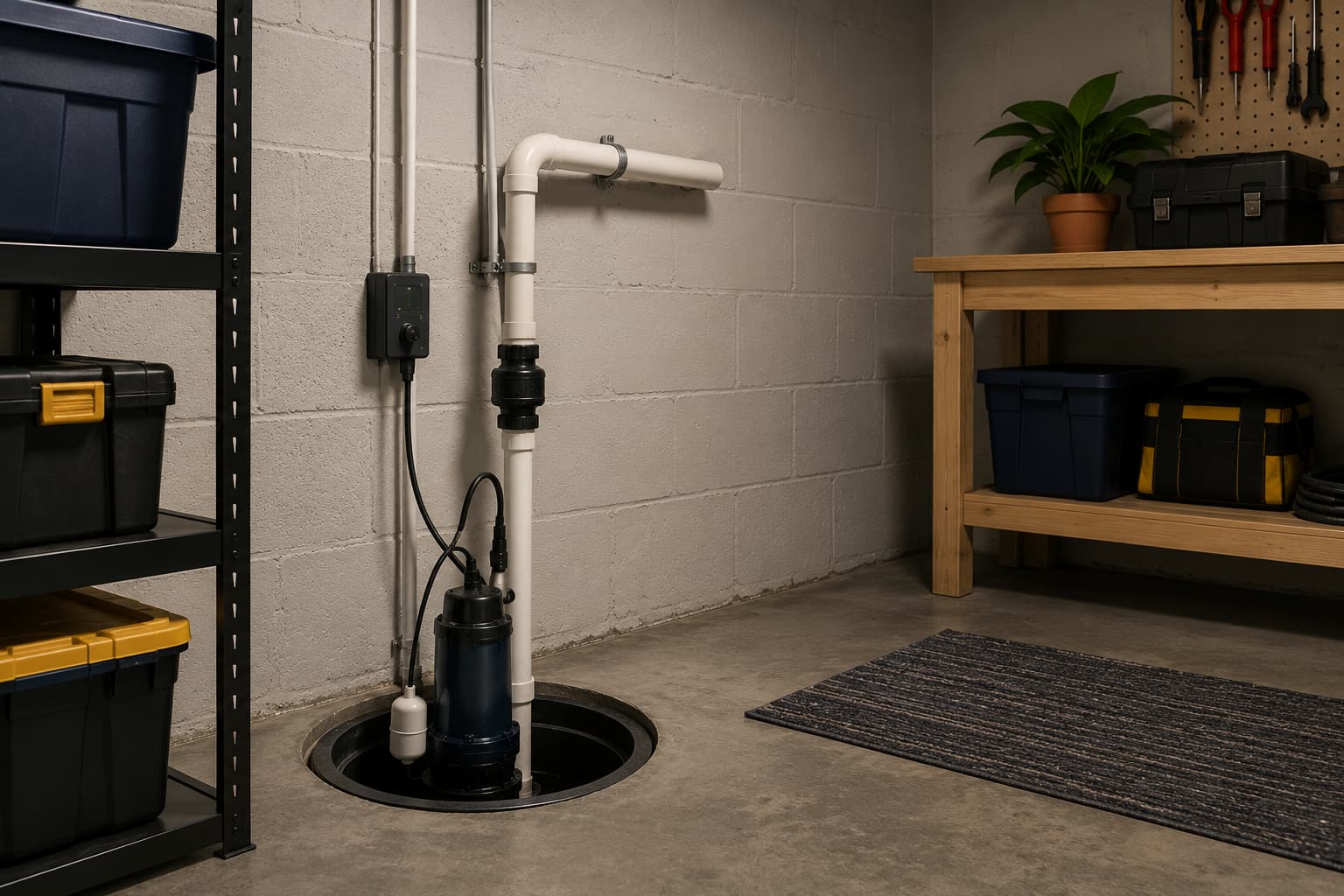
What is a sump pump? It is a device that collects water beneath your home and pumps it away through a discharge pipe before it can flood your basement or crawl space. The pump sits in a sump pit at the lowest part of the space and turns on when rising water reaches a set level. For Rochester homeowners, sump pumps are especially useful during heavy rain and spring snowmelt.
What Is A Sump Pump And Why Is It Important For Your Home?
Groundwater can collect around a foundation and eventually find its way into a basement or crawl space. A sump system gives that water a place to collect before the pump moves it away from the house.
So, what does a sump pump do for your home? It helps prevent flooding and reduces the amount of water that can damage flooring, walls, stored belongings, and other materials below ground level. It can be especially useful in Rochester during spring snowmelt and periods of heavy rain.
What Does A Sump Pump Do In A Basement Or Crawl Space?
A basement sump pump is installed in a pit at the lowest point of the basement drainage system. Water flows toward the pit, and the pump sends it outside through a discharge line before the pit overflows.
A crawl space sump pump works on the same basic principle. It removes water that collects beneath the home, helping protect the foundation and reduce moisture in the crawl space.
For older Rochester homes, especially those with below-grade living or storage areas, a working sump pump can be an important part of controlling groundwater.
How Does A Sump Pump Work?
A sump pump operates automatically as water enters the pit. You normally do not need to turn it on each time it rains.
Key Components Of A Sump Pump System
The main components include:
- Sump pit: Collects groundwater beneath the home.
- Pump: Moves collected water out of the pit.
- Float: Rises as the water level increases.
- Pump switch: Activates the pump when the float reaches its set level.
- Discharge pipe: Carries water away from the house.
- Check valve: Helps prevent discharged water from flowing back into the pit.
A submersible pump sits inside the pit. A pedestal sump keeps the motor above the pit, making the motor easier to access for inspection and service.
The Step-By-Step Process: How Does A Sump Pump Work?
The process starts when groundwater enters the sump pit. As the water rises, it lifts the float. The float activates the pump switch, and the pump pushes the collected water through the discharge pipe and away from the foundation.
Once the water drops to the set level, the pump shuts off. During heavy Rochester rain or rapid snowmelt, this cycle may repeat frequently as more groundwater enters the pit.
Basement Sump Pump Vs. Crawl Space Sump Pump: What Is The Difference?
A sump pump for a basement and one installed in a crawl space perform the same basic job, but the installation area changes how the system is set up.
Basement systems are commonly connected to drainage that directs groundwater toward the sump pit. Crawl spaces have less working room and may require different drainage or pit placement based on the foundation and where water collects.
Homes near Linden Avenue and other established parts of Rochester can have older foundations where drainage conditions vary considerably from one property to another.
Types Of Sump Pumps And Backup Options
Submersible Vs. Pedestal Sump Pumps
Submersible pumps operate inside the sump pit, which helps contain operating noise and keeps the equipment out of the way. Pedestal models keep the motor above the water and provide easier access to some components.
The right design depends on the size and depth of the pit, available space, pumping needs, and access for pump maintenance. John Betlem provides maintenance for all of your plumbing needs.
Battery Backup And Water-Powered Backup Systems
A primary sump pump depends on power to operate. A battery backup gives the system another power source during an outage. Water-powered backup systems use household water pressure and may be another option for some homes.
Backup protection is especially valuable during thunderstorms, high winds, or ice storms when heavy precipitation and power outages can happen at the same time.
Sump Pump Maintenance And When To Call A Professional
Test your sump pump periodically by making sure the float moves freely and the pump switch activates. Keep the pit clear of debris and inspect the discharge line for blockages or damage.
Call for professional help if the pump runs constantly, makes unusual noises, fails to start, shows visible rust, or cannot keep up with incoming water. These problems can leave your basement vulnerable when the next storm or snowmelt sends water toward the foundation.
John Betlem Heating & Cooling provides sump pump service for Rochester homeowners who need an inspection, plumbing repair, maintenance, or replacement. If your pump has been sitting unused for months, having it checked before Rochester's wetter seasons can help identify problems before the pit begins filling.
For help protecting your basement or crawl space from unwanted water, schedule sump pump service with John Betlem Heating & Cooling.
Schedule Online(585) 357-0415Frequently Asked Questions
Homes in NY with a history of water damage, a high water table, or visible sump pit areas benefit from sump pumps. A properly installed sump pump with a float switch and discharge pipe helps keep your basement dry and protected. John Betlem Heating & Cooling can assess your home and recommend the right sump pump systems and backup options.
Sump pumps generally last 7–10 years depending on usage, maintenance, and the condition of the sump pit. If your sump pump runs frequently during heavy basement flooding, parts like the float switch or battery backup may wear sooner. Regular pump maintenance helps prevent water damage and keeps your home protected. If you are unsure what the sump pump lifespan is for your model, John Betlem Heating & Cooling in NY can inspect your sump and discharge pipe setup.
While a sump pump greatly reduces the risk of basement flooding, no system can guarantee a completely dry space in extreme storms. Properly sized sump pumps, a clean sump pit, a working float switch, and a reliable backup battery all help prevent water damage. Understanding what a sump pump is and how it works with other drainage systems is key to protecting your home. For complete protection in NY, John Betlem Heating & Cooling can evaluate your sump pump system.
A sump pump should be tested at least once every few months and before heavy rain seasons in NY. Pouring water into the sump pit will raise the float and activate the switch, ensuring the sump pump moves water through the discharge pipe properly. Regular testing helps prevent basement flooding and costly water damage in your home. If you are unsure about the sump pump testing process or notice issues, John Betlem Heating & Cooling can provide professional service and backup solutions.