

Blog
How Do You Know How Much Insulation Do I Need?

How Rochester’s Climate Zone Affects Insulation Needs
Once the cooler weather hits Rochester, many homeowners start thinking about how to keep their home warm and comfortable through long winters marked by lake-effect snow, freezing temperatures, and rising heating costs. While many newer homes are built with tighter building envelopes and more efficient insulation systems, older Rochester homes often have aging materials, gaps in walls, underperforming attic insulation, or insufficient air sealing that can reduce overall energy performance.
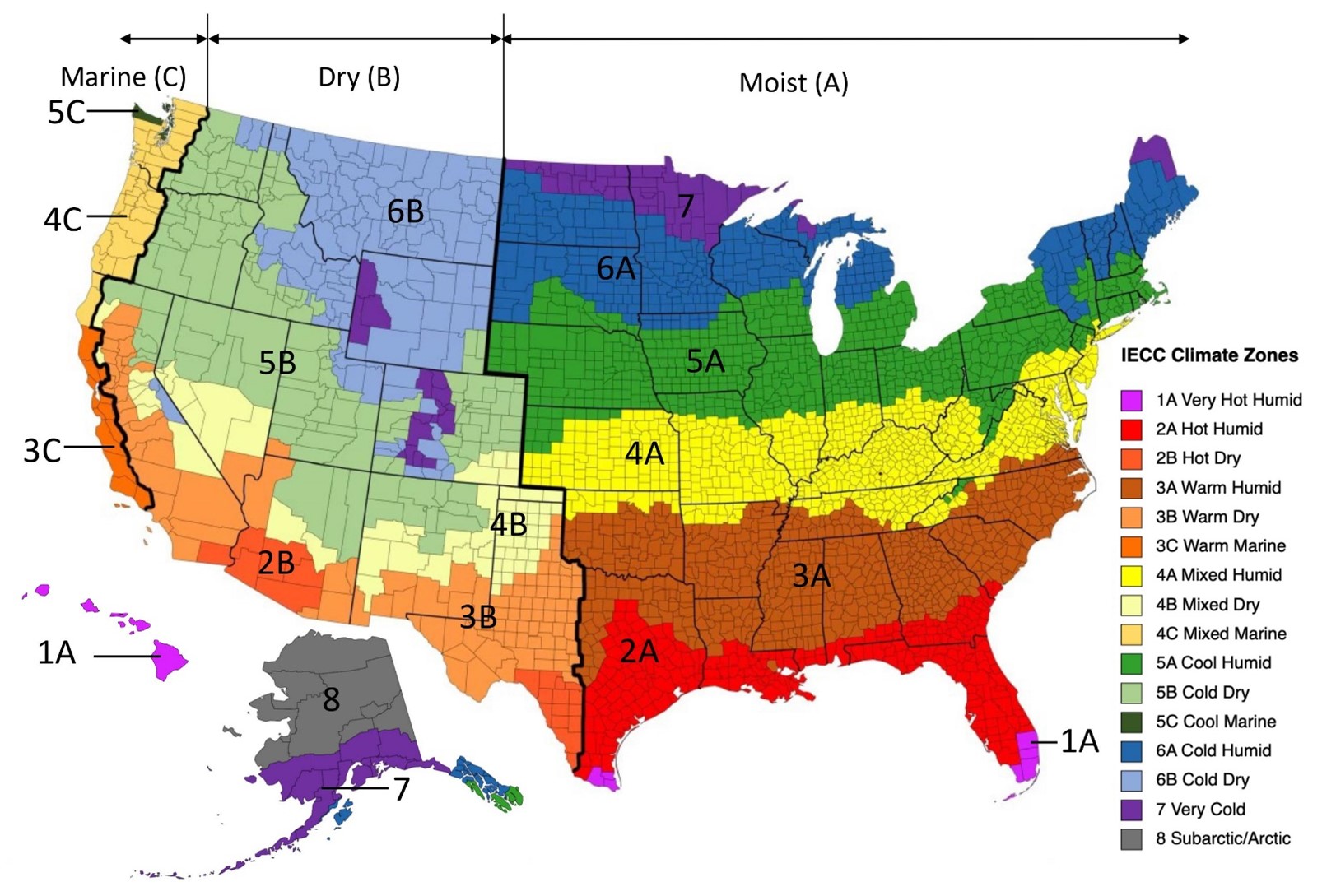
Your local climate zone plays a major role in determining the insulation you need. The Department of Energy uses climate zone recommendations to help homeowners calculate appropriate attic insulation and wall protection based on regional weather conditions. In Rochester’s climate, insulation with the proper R-value helps improve thermal resistance, keeping warm air inside during winter while reducing unwanted heat transfer through walls, attics, and other vulnerable areas of the home.
If you’re trying to calculate how much insulation you need, a professional assessment from a trusted Rochester contractor can provide more accurate recommendations than an online insulation calculator alone.
What Is R-Value for Insulation?
R-value measures an insulation material’s resistance to heat flow, or how well it slows heat transfer between the inside and outside of your Rochester home. In general, a higher R-value means better thermal performance, which can help reduce energy loss and improve comfort during Rochester’s cold winters and humid summers.
Different areas of your home need different R-values. Attic insulation typically requires higher levels because heat rises and escapes through the roof, while walls and floors may need lower values depending on the building design. The type of insulation also matters, since fiberglass, cellulose, batt insulation, and foam all perform differently.
5 Signs Your Home Needs Better Insulation
Many homeowners aren’t sure if they have proper insulation levels, especially in older homes. Here are some signs to watch for:
- Inconsistent Temperatures: Uneven room temperatures often indicate insufficient insulation allowing heat loss or cold air intrusion.
- Cold Floors and Walls: If surfaces feel cold even when your heating system is running, insulation may not be performing effectively.
- Drafts: Drafts around windows, doors, or attic access points often signal gaps in insulation or air sealing.
- Ice Dams: Heat escaping through the roof can melt snow that refreezes at the edges, creating damaging ice dams.
- High Energy Bills: Poor insulation forces your heating system to work harder, increasing utility costs.
How Much Insulation Do I Need in Your Attic?
Because Rochester falls within a colder climate zone, homes here typically need higher attic insulation levels to improve energy performance and reduce heating costs. Department of Energy guidance generally recommends attic insulation between R49 and R60, depending on existing insulation levels.
Source: ENERGY STAR
John Betlem recommends the following attic insulation targets for Rochester homes:
| Zone | Add Insulation to Attic If Uninsulated | Add Insulation to Attic If You Already Have 3–4 Inches | Floor |
|---|---|---|---|
| 6, 5, and 4C | R60 | R49 | R30 |
How to Calculate Insulation by Square Foot
If you’re trying to estimate insulation needs, measure the square footage of your attic by multiplying length × width, then compare your existing insulation depth to Rochester’s recommended R-value targets.
| Step | Example Calculation |
|---|---|
| Measure Attic Size | 40 ft × 30 ft = 1,200 sq ft |
| Check Existing Insulation | 3–4 inches installed |
| Target R-Value | R49 for Rochester homes |
| Choose Insulation Type | Blown-in cellulose, fiberglass, or batt insulation |
Blown-In vs. Batt Insulation for Attics: Pros and Cons
Blown-in insulation works well in older Rochester homes because it fills gaps and irregular attic spaces. Batt insulation is better suited for open, accessible attic layouts. Air sealing plus blown-in insulation often provides the best performance in older homes.
Spray Foam vs. Fiberglass Insulation Cost and R-Value
Spray foam insulation offers a higher R-value per inch and strong air sealing, while fiberglass insulation is often more budget-friendly. The right option depends on your home’s layout, moisture conditions, and energy goals.
How John Betlem Can Help
John Betlem Heating & Cooling can assess your current insulation levels and recommend solutions to improve comfort and efficiency, including blown-in attic insulation. We also help homeowners access NYSERDA rebates and incentives for qualifying energy upgrades.
Schedule Your Insulation Assessment Today
Contact John Betlem today to schedule an insulation assessment and improve your Rochester home’s comfort, efficiency, and energy savings.