

Blog
Home Humidity Levels and Excessive Home Humidity? Here’s What You Can Do!
The weather in Rochester, NY swings dramatically across the year. Summers turn hazy, hot, and humid, while winters bring cold, dry air that strips moisture from your indoor environment. Both extremes affect your home humidity levels, and both can cause real problems for the people living in your house and the wood and finishes inside it. Modern Rochester homes that are well insulated and have proper ventilation can hold the right balance of moisture better than older builds, but even an airtight home needs help managing indoor humidity levels year-round.
If you've ever felt sticky in July or woken up with a sore throat in February, you've experienced what improper humidity levels can do. Below, we'll walk through what optimal indoor humidity looks like, how to measure it, the signs that your home humidity is out of range, and how John Betlem Heating and Cooling can help you control humidity in every season.
Signs your home humidity range is too high
Rochester summers regularly push outdoor relative humidity into the 70 to 80 percent range, well above the indoor target. When that moisture works its way inside, you'll often notice:
- The air feels hot and sticky. If the air in your home feels muggy even with the air conditioner running, it's likely your humidity level is too high. Humid air holds heat more than drier air does, which makes your air conditioner work harder and your home less comfortable.
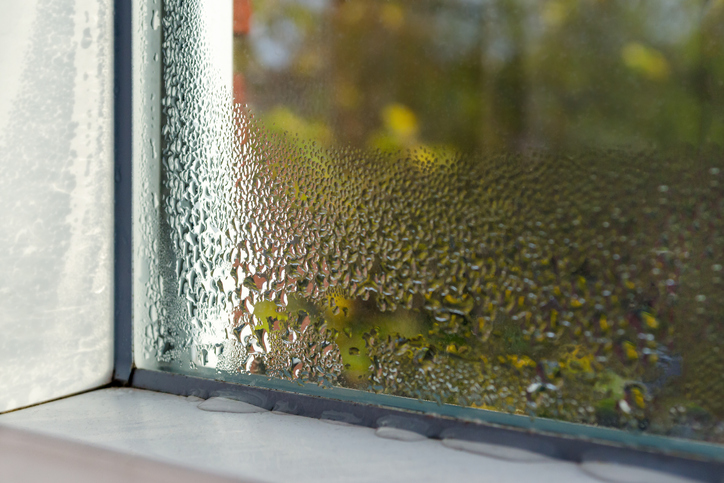
- Droplets of moisture appear on windows. If you're noticing condensation on your windows, toilet tanks, or tiled areas, that's a clear sign indoor moisture levels are elevated.
- Mold and mildew growth. Warm, damp spaces are ideal for mold and mildew. A musty odor near baseboards, in the bathroom, or in the laundry area usually means excess moisture is feeding microbial growth.
- Damp or rotting wood. If wood in your home feels damp or is starting to rot, act quickly. Sustained high humidity can cause wood rot, which leads to structural issues.
Whole-house dehumidifiers can resolve elevated moisture levels throughout your entire home, while stand-alone units help in problem areas like the basement.
Signs your home humidity level is too low
Rochester winters bring the opposite challenge. Cold outdoor air holds very little moisture, and once your heating system warms it up indoors, the relative humidity level can drop well below the 30 percent threshold. Low humidity creates its own range of problems:
- Dry skin, chapped lips, and irritated nasal passages or sore throat
- Persistent static shocks from carpets, doorknobs, and clothing
- Visible gaps in hardwood floors or wood trim as the wood shrinks
- Increased respiratory irritation, including dry coughs that linger
- Cracking or warping in wood furniture, instruments, and cabinetry
A whole-house humidifier tied into your existing HVAC system maintains proper humidity throughout the entire home all winter long, without the daily refilling required by portable humidifiers.
What's the Ideal Indoor Humidity Level?
According to the EPA, the ideal relative humidity (RH) inside your home should fall between 30% and 50%. Once humidity climbs above 60%, the risk of mold growth and dust mite proliferation rises sharply. ASHRAE Standard 55 also recommends keeping indoor humidity at or below 65% for occupant comfort and air quality.
Recommended Indoor Humidity by Season
| Season | Target RH Range | Common Issue |
| Summer | 40% to 50% | Excess moisture, mold risk |
| Winter | 30% to 40% | Dry air, static, cracking wood |
Sources: U.S. Environmental Protection Agency, ASHRAE Standard 55
When we talk about humidity in a home, we're usually talking about relative humidity, which is the amount of moisture in the air relative to how much the air could hold at the current temperature. Absolute humidity (the total water vapor in a given volume of air) is less useful day-to-day, because what your body and your house actually respond to is relative humidity at typical room temperature.
The easiest way to measure your home humidity level is with a digital hygrometer, which costs under $20 and gives you an instant readout. Many smart thermostats also display real-time indoor humidity readings, making it easy to track changes from room to room as Rochester's seasons shift.
How can a stand-alone or whole-house dehumidifier help?
There are major benefits to choosing dehumidification for your home, including:
- Improved Health: Viruses, bacteria, mold, and other airborne pollutants thrive in high humidity. By choosing a dehumidification system for your home, you’ll be able to keep these contaminants at bay.
- Home Protection: Stored items, fabrics, carpeting, home furnishings, and other belongings can all suffer at the hands of humidity. Mildew, rot, and warping can occur in damp conditions. You can shield your home from these concerns with proper dehumidification.
- Energy Savings: You may not realize this, but overly humid air can come at a tangible expense. That’s because your air conditioner or furnace has to work extra hard when handling overly damp air. Dehumidification can help them work more efficiently – helping you save on energy bills.
Excess humidity can affect more than just comfort—it can impact your entire indoor environment. If you're unsure whether you need a solution, read our guide on when you need a dehumidifier. You may also benefit from improving overall air quality with solutions like Aprilaire air cleaners or other indoor air quality products.
Does my air conditioner already remove humidity?
Yes, but only as a byproduct of cooling. Your AC pulls moisture out of the air as it cools, which is why you'll see condensate water draining outside. However, in particularly humid Rochester summers, your AC alone often isn't enough. When outdoor humidity is sitting at 75% or higher, even a properly sized AC can struggle to bring indoor levels into the ideal 40 to 50 percent range. That's where a dedicated dehumidifier earns its keep: it removes moisture without overcooling your home, letting your AC focus on temperature control.
What about humidity in winter? The opposite problem.
Rochester winters bring the opposite humidity challenge. As outdoor temperatures drop and your heating system runs more, indoor air can become extremely dry, often dropping below 20% relative humidity. The signs include dry skin and chapped lips, persistent static shocks, cracking hardwood floors or wood furniture, increased respiratory irritation, and visible gaps in trim or flooring as wood contracts.
The fix is the reverse of summer: adding moisture back into the air with a whole-house humidifier. Unlike portable units that only cover one room, a whole-house humidifier ties into your existing HVAC system and maintains consistent humidity throughout your home all winter long.
How can John Betlem Heating and Cooling help me enjoy better air quality in my home?
At John Betlem Heating and Cooling, we want our customers to be as comfortable as possible in their homes, and that goes beyond simply providing expert home services like cooling, heating, insulation, and electrical work. We can also help improve your indoor air quality by offering you products that can help, such as dehumidification systems for single spaces or for your entire home. To learn more about how John Betlem Heating and Cooling can help you get the dehumidification you need, just give us a call at (585) 357-0415 and we will be more than happy to help. Improving your home’s indoor air quality often requires a combination of solutions working together. From advanced air filtration systems and air cleaners to whole-home humidifiers and dehumidifiers, each system plays a role in balancing comfort and air quality. Solutions like UV air purification and iWave air purification can help reduce airborne contaminants, while proper home ventilation systems such as HRV and ERV units improve fresh air circulation. Addressing airflow issues with ductwork repair and ensuring safety with carbon monoxide detectors are also key components of a healthier home. To explore all available options, visit our indoor air quality services page or learn more about improving your overall home air quality.