


Blog
Boiler Leaking Water In NY: Leak Causes, Fixes, And What To Check
Why Is My Boiler Leaking Water? Quick Answer For NY Homeowners
A boiler leaking water can be caused by high system pressure, a faulty pressure relief valve, corroded pipes, loose fittings, or worn internal components. If you find water around your boiler, turn the system off and arrange for a professional inspection. Acting quickly limits water damage and helps prevent larger repairs.
Common Causes Of A Boiler Leaking Water
Not every boiler leak has the same cause. The table below can help you understand what you may be seeing and when it's time to schedule professional boiler service.
| What You Notice | Possible Cause | Recommended Action |
|---|---|---|
| Water dripping from the pressure relief valve | High boiler pressure or a failing relief valve | Turn the boiler off and schedule service. |
| Small puddle beneath the boiler | Loose fittings, worn seals, or minor pipe leaks | Have the leak inspected before it becomes worse. |
| Pressure keeps dropping | Hidden leak somewhere in the heating system | Schedule professional diagnostics. |
| Rust, corrosion, or mineral buildup | Long-term moisture exposure or aging components | Repairs may prevent more expensive damage. |
| Water leaking from inside the cabinet | Possible cracked heat exchanger or internal component failure | Turn the boiler off immediately and call for service. |
John Betlem Tip: A small boiler leak rarely fixes itself. Addressing leaks early can often prevent water damage, pressure problems, and more extensive boiler repairs during Rochester's heating season.
High Boiler Pressure
Boilers operate within a specific pressure range. Excess pressure forces water through the pressure relief valve, and a boiler leaking water is frequently the result.
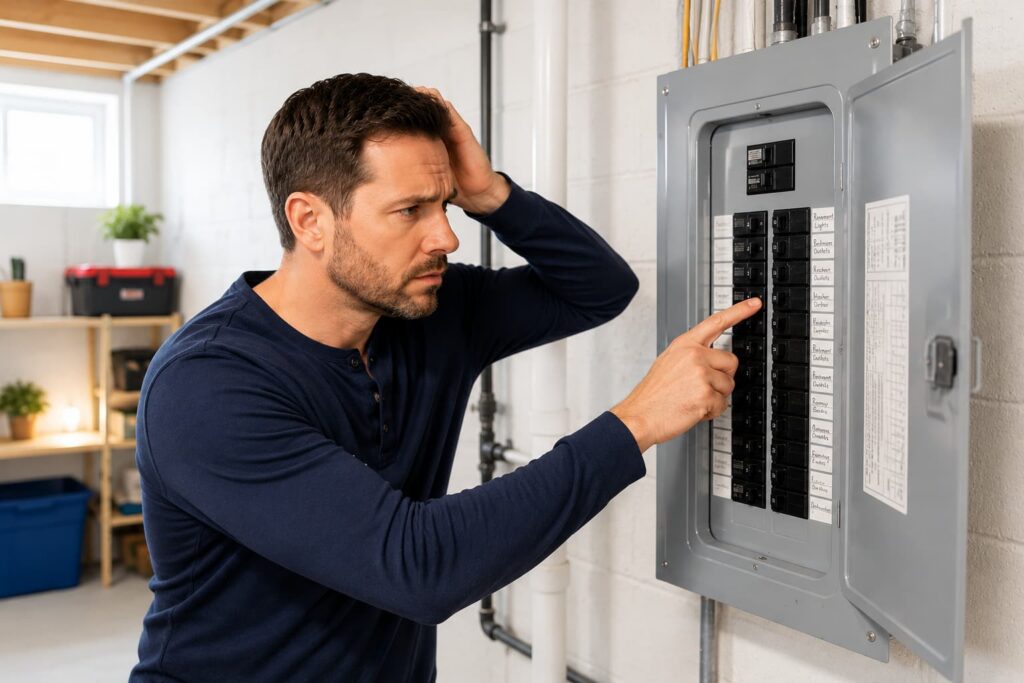
Check the pressure gauge on the front of the boiler. A reading above the recommended operating range can point to an expansion tank issue or another system problem. Continuing to run the boiler with excessive pressure increases the chance of leaking and damage to internal parts.
Faulty Pressure Relief Valve
The pressure relief valve protects the boiler from excessive pressure. As the valve ages, it can stick open or fail to seal completely, allowing water to drip or flow from the discharge pipe.
This is one of the first things to inspect when homeowners ask, why is my boiler leaking water. Replacing a worn valve requires the correct parts and proper testing, making it a job best left to a technician. A damaged valve is also a common cause of leaking water around the unit.
Corroded Or Damaged Pipes
Older boilers and piping can develop rust, corrosion, or mineral buildup that weakens metal over time. Small cracks, deteriorated seals, and loose threaded connections allow water to escape before the problem becomes obvious.
Look for rust stains, green corrosion, or mineral deposits around fittings. These signs usually appear before a small drip turns into a larger leak.
Cracked Heat Exchanger Or Internal Component Failure
A cracked heat exchanger is one of the most serious boiler problems. Water leaking from inside the cabinet instead of an external fitting can indicate internal damage.
Circulator pumps, seals, and internal fittings also wear with age. Once these components begin leaking, repairs should be completed promptly to prevent additional damage throughout the heating system.
Loose Joints Or Fittings
Boilers expand and contract every time they heat and cool. After years of operation, threaded fittings and pipe joints can loosen enough to create a slow drip.
A small leak today rarely stays small for long. Addressing loose fittings early helps prevent water damage around the boiler.
Signs Your Leaking Boiler Needs Immediate Attention
Some leaks require faster action than others. Contact a professional right away if you notice:
- Water collecting rapidly around the boiler.
- A sudden loss of heat.
- Frequent pressure loss requiring repeated refilling.
- Banging, gurgling, or other unusual noises.
- Water near electrical controls or wiring.
These warning signs point to problems that extend beyond a simple drip.
What To Check If Your Boiler Is Leaking Water
Homeowners can safely perform a few basic checks before scheduling service.
Turn off the boiler if water is actively leaking. Look at the pressure gauge to see if the reading is unusually high. Check around visible pipe fittings for loose connections or signs of corrosion. Place a bucket or towel beneath a slow drip to limit water damage until service arrives.
Avoid removing panels or attempting internal repairs. Boilers contain hot water, pressurized components, gas connections, and electrical parts that require specialized training.
If repairs are needed, John Betlem Heating & Cooling provides professional boiler repair for residential heating systems throughout the Rochester area.
Repair Vs. Replacement
Small repairs involving valves, fittings, or seals are frequently completed without replacing the boiler.
Extensive corrosion, repeated leaks, or a cracked heat exchanger opens the discussion for boiler installation, especially on older systems nearing the end of their service life. After inspecting the equipment, we'll explain the condition of your boiler and recommend the option that best fits your home.
If your home also has aging hot water equipment, this is a good time to ask about water heater installation.
Many older boilers installed throughout Rochester operate at efficiencies well below today's high-efficiency models. Modern ENERGY STAR® certified gas boilers must achieve at least 90% AFUE, helping convert more fuel into usable heat and reducing wasted energy during Western New York's long heating season.
Source: ENERGY STAR Residential Boilers
How To Prevent Boiler Water Leaking In The Future
Annual boiler maintenance gives technicians the opportunity to inspect the pressure relief valve, expansion tank, piping, seals, pumps, and other critical components before small problems turn into larger repairs.
Checking boiler pressure periodically and addressing small drips promptly also extends the life of the system. Waiting for a minor leak to become a major one increases the chance of water damage and unexpected heating problems during Rochester's cold winter months.
Schedule Boiler Service
A leaking boiler should never be ignored. John Betlem Heating & Cooling diagnoses leaks, identifies the cause, and recommends the right repair for your heating system. If your boiler is leaking water, schedule service before the problem grows into a larger repair.
Schedule Online(585) 357-0415Frequently Asked Questions
Yes, a boiler leaking water can cause water damage, electrical hazards, and reduced heating performance in your NY home. High boiler pressure, a failing pressure relief valve, or a cracked heat exchanger can worsen quickly. If you notice boiler water leaking, contact John Betlem Heating & Cooling to inspect the system and prevent further damage.
If you’re asking “why is my boiler leaking water” from the bottom, it could be due to a faulty pump seal, corroded pipes, or internal tank failure. Water boiler leaking at the base often signals a more serious internal issue. Homeowners in NY should have John Betlem Heating & Cooling evaluate the boiler pressure and internal components promptly.
Running a boiler leaking water is not recommended. Even minor boiler water leaking can increase boiler pressure problems and damage the heat exchanger. For safety in NY homes, turn off the system and schedule service with John Betlem Heating & Cooling to diagnose and resolve the issue correctly.