


Blog
Installing a New Water Heater in Rochester, NY

Most homeowners don’t wake up planning to replace a water heater. It usually comes up after something feels off for a while. Hot water doesn’t last like it used to. Temperatures drift. Recovery takes longer. At some point, repairing the old unit stops making sense. When that happens, installing a new water heater becomes less about upgrades and more about getting everyday routines back to normal.
For Rochester homeowners, the details matter. The type of system, how it’s sized, and how it’s installed all affect how well it actually works once the job is done.
Schedule OnlineWhat to Know Before Installing a New Water Heater
There’s a point where replacement is the safer and more practical option. Older systems tend to lose efficiency and develop problems that don’t fully go away with repairs.
Some signs it may be time to move forward include:
- Hot water running out faster than it used to
- Temperatures changing mid-use
- Rust, corrosion, or moisture around the unit
- A system that’s been in place for over a decade
There are also local requirements to consider. In Rochester, NY, permits and inspections are part of most water heater installations to ensure safety and code compliance. These steps help confirm the system is installed correctly before it’s put into regular use.
When It’s Time to Replace Instead of Repair
Safety and Permit Requirements for Installing a New Water Heater
Permits help confirm that pressure controls, discharge piping, and connections are handled properly. Skipping this step can create problems later, especially during home inspections or resale.
Choosing the Right Water Heater for Your Rochester Home
Choosing the right water heater starts with how your household actually uses hot water. Size, fuel type, and efficiency all play a role, but none of them matter much if the system doesn’t match daily demand.
Choosing the Right Water Heater Size for Your Family’s Needs
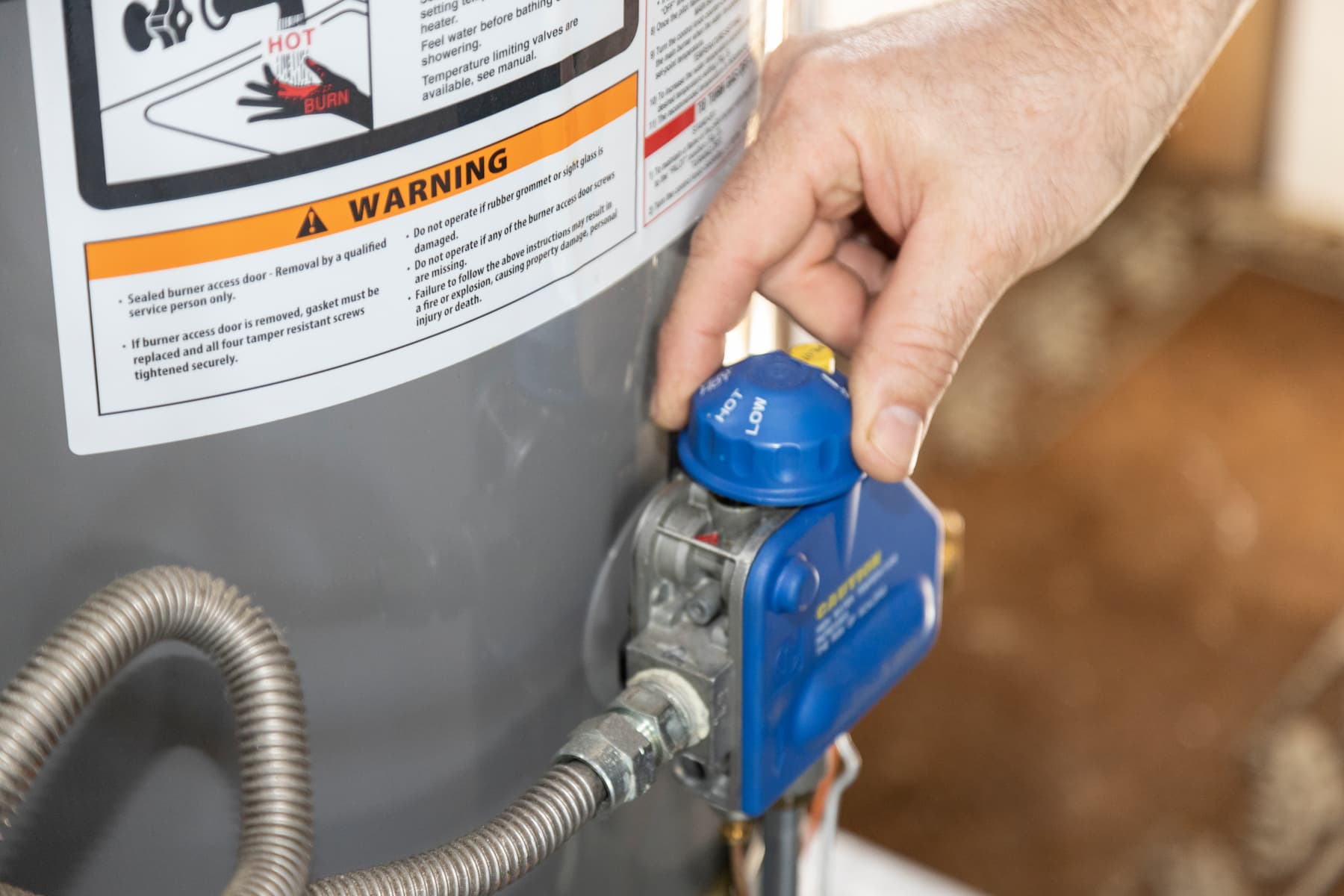 Sizing is one of the most common issues seen after installation. A system that’s too small struggles to keep up. One that’s too large wastes energy.
Things that affect sizing include:
- How many people live in the home
- When hot water is used most often
- How many fixtures run at the same time
Choosing the right water heater size helps avoid frustration later.
Tank vs. Tankless Options in Rochester’s Climate
Tank systems store hot water and refill as it’s used. For many homes, that setup still works well. Tankless water heaters heat water on demand, which can help with efficiency, but they aren’t always the right answer for every layout or usage pattern.
Climate, plumbing design, and demand all factor into this decision.
Energy Efficiency, Fuel Type, and Long-Term Operating Costs
Gas and electric systems each have strengths depending on the home. Efficiency ratings also affect operating costs over time. These choices usually come down to balancing upfront installation needs with long-term use.
Key Components Involved When Installing a New Water Heater
Installing a new water heater is more than setting the tank in place and hooking it up. A licensed plumber evaluates your home, confirms the water supply, tests water pressure, and checks the condition of the supply line, water line, and connected lines. Whether you are replacing an older unit or installing an electric model, choosing the right water heater also means making sure the supporting parts fit the system so the water heater operates safely and efficiently.
Why an Expansion Tank Can Help Protect Your Plumbing System
An expansion tank helps manage expansion as water heats up inside the tank. In many homes with a closed water supply, heated water can increase pressure and push back into the pipe system. Adding an expansion tank gives that extra volume a place to go, which helps reduce strain on pipe connections, fixtures, and the water heater. During installation, your plumber can confirm whether an expansion tank is needed based on your system’s pressure and plumbing setup.
Understanding the Relief Valve and Its Role in System Safety
A properly installed relief valve is a critical safety component on every water heater. If temperature or pressure climbs too high, the relief valve opens to release excess pressure and protect the tank. It also needs to be routed correctly using a discharge pipe so released water drains safely without damaging your home. Your plumber should confirm this safety valve is the right type, properly installed, and positioned to work as intended.
Proper Water Fittings and Connections for Long-Lasting Performance
Leak prevention starts with the connections. Quality water fittings and properly secured connections help maintain steady flow from the water supply through the supply line and into the water heater. Poor connections are a common source of early problems, especially where lines connect to the tank and nearby pipe runs. Tight, correct fittings help reduce leaks, corrosion, and performance issues over time.
How Water Pressure Affects Your New Water Heater and Home Comfort
Your water pressure affects both comfort and system longevity. If pressure is too high, it can stress valve components, strain the pipe system, and shorten the life of the water heater. During installing a new water heater, your plumber should test water pressure and recommend adjustments when needed. Proper pressure helps protect your home’s plumbing and supports consistent hot water delivery at showers, faucets, and appliances.
Safe Installation Details
A safe installation comes down to details being handled correctly.
Key checks include:
- Making sure the expansion tank is properly sized and supported
- Confirming the relief valve meets manufacturer and local requirements
- Routing the discharge pipe so water exits safely away from living areas
These steps help protect both the home and the system.
How Long Installing a New Water Heater Takes and What to Expect
If you are a homeowner installing a new water heater yourself, plan on 4 to 8 hours for a straightforward tank swap in the same location, assuming your water supply shutoff works, your supply line connections come apart cleanly, and your existing pipe and lines do not need updates. If it is your first time, or you run into stubborn fittings, leaks, or high water pressure, it can stretch to a full day.
Timing can change based on:
- Permit processing
- Code updates
- System type and placement
Knowing this ahead of time helps with planning.
Why Let John Betlem Install Your New Water Heater
Installing a new water heater isn’t a weekend project for most homeowners. Safety rules, plumbing details, and local codes all come into play. If installing your own water heater starts to feel overwhelming or eats up more time than expected, having a local team handle it can make the process smoother.
John Betlem Heating & Cooling provides:
- Licensed and insured technicians
- Experience with Rochester-area homes
- Financing options and maintenance plans
- Support beyond installation day
How to Request an Estimate or Second Opinion
If you’re unsure about sizing, system type, or installation details, getting an estimate or second opinion can help clarify next steps.
Getting the Most from Your New System with Regular Maintenance
Routine maintenance helps keep a new system running efficiently and reduces the chance of early issues.
Schedule Online or Call Today
If you’re planning on installing a new water heater or still weighing your options, scheduling service is a straightforward way to get answers. Booking online or calling (585) 357-0415 allows you to talk through the details and decide what makes sense for your home.
Schedule OnlineFAQs About Water Heater Installation and Key Safety Components
Do I Really Need an Expansion Tank for My Rochester Home?
Many Rochester homes require an expansion tank to manage pressure changes and protect plumbing components.
How Often Should the Relief Valve and Discharge Pipe Be Inspected?
The relief valve and discharge pipe should be inspected at least once a year, and anytime you notice unusual pressure, dripping, or changes in hot water performance. During routine service, a licensed plumber checks that the valve is operating correctly, the discharge route is unobstructed, and the surrounding pipe, lines, and water fittings show no signs of leaks or corrosion. This is especially important after installing a new water heater, since proper setup and clear discharge help protect your home if pressure ever needs to be released.
What Water Pressure Range Is Best for My New Water Heater?
Most homes and water heater systems perform best when water pressure stays in a typical residential range of about 40 to 60 PSI. Higher pressure can shorten the life of a tank and put extra strain on the supply line, water line, and internal valve components. During installing a new water heater, your plumber should test water pressure, confirm the water supply is stable, and recommend corrections if pressure is too high. In some situations, adding an expansion tank can help manage expansion and reduce pressure spikes that can push stress into your pipe system.