

Blog
Whole Home Generator Installed in Rochester, NY: Common Mistakes to Avoid
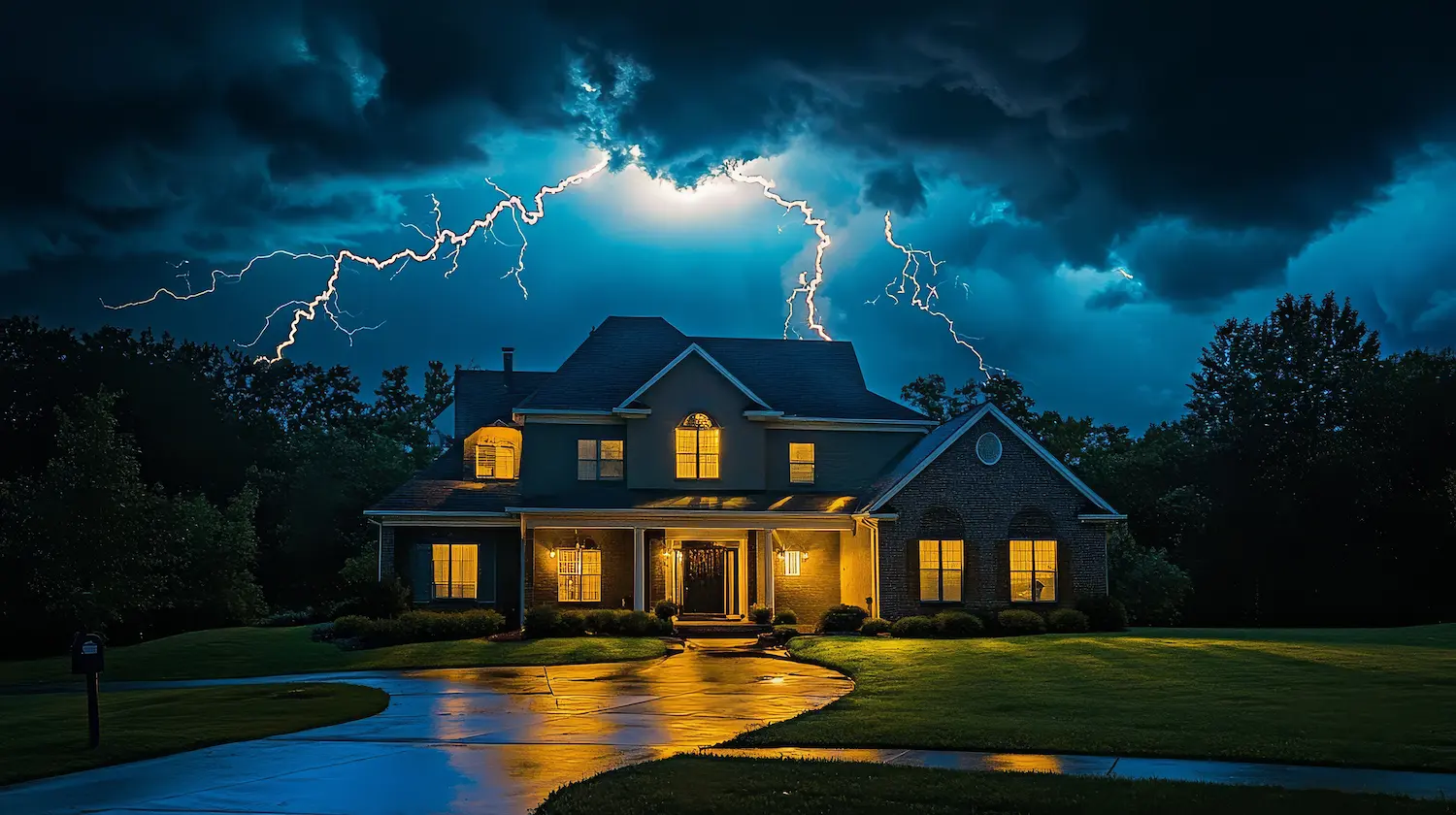
Getting a whole home generator installed is a big decision, and most of the problems homeowners run into don’t happen after the power goes out. They happen during planning and installation. In Rochester, NY, where outages can come from storms, equipment failures, or grid issues, a generator only helps if it’s installed correctly from the start.
John Betlem Heating & Cooling installs whole-home generators for Rochester homeowners and sees the same mistakes come up repeatedly. Understanding what to avoid can make the difference between a system that works when you need it and one that causes frustration later.
Key Takeaways: Whole Home Generators
- Proper whole-home generator sizing is critical because undersized systems can overload during outages while oversized generators may operate inefficiently.
- Professional generator installation helps ensure safe electrical connections, fuel line setup, transfer switch integration, and compliance with Rochester-area building codes.
- Skipping permits, inspections, or proper site planning can lead to safety issues, failed inspections, drainage problems, and long-term generator performance concerns.
- Correct generator placement improves airflow, reduces weather exposure risks, minimizes vibration issues, and helps maintain reliable backup power operation.
- Whole-home generators provide automatic backup power for heating systems, refrigeration, sump pumps, lighting, and other essential household systems during outages.
Why Homeowners Choose Whole Home Generators
A whole-home generator keeps essential systems running during an outage. That usually includes heating equipment, refrigeration, lighting, sump pumps, and other critical loads. Unlike portable units, a whole-house generator is designed to start automatically and power the home through an outage without manual setup.
For many homeowners, the appeal is consistency. The system is there when needed and does not require moving equipment, refueling in bad weather, or deciding what to plug in.
Common Mistakes When Having a Whole Home Generator Installed
Most generator issues trace back to planning errors, not the equipment itself.
Choosing the Wrong Size Generator
One of the most common problems is installing a generator that’s either too small or larger than needed. Undersized systems struggle to carry the load and may shut down when multiple appliances run at once. Oversized systems can short-cycle and operate inefficiently.
Proper sizing requires a load calculation based on how the home uses power, not estimates or averages.
Skipping Professional Electrical and Fuel Work
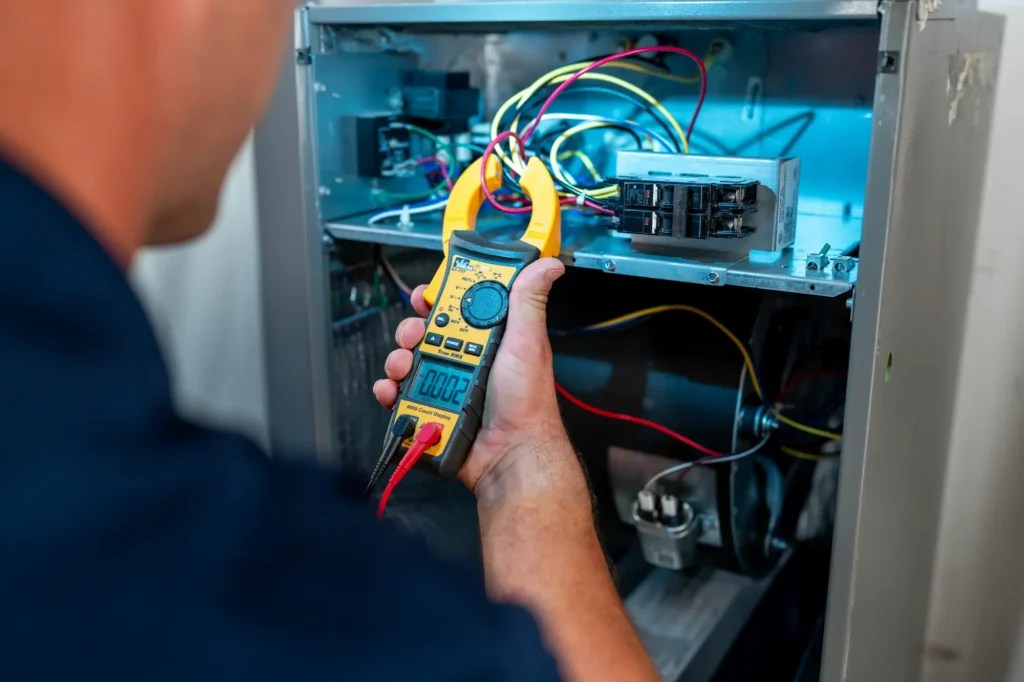
Generator installation involves electrical connections, transfer switches, and fuel lines. Attempting partial DIY work or hiring contractors without generator experience increases the risk of wiring errors, fuel issues, or unsafe operation.
Professional installation ensures all connections meet code and operate together as designed.
Ignoring Permits and Local Requirements
Permits and inspections aren’t paperwork for the sake of it. They ensure the generator is installed safely, located properly, and connected in a way that protects both the home and the utility grid.
Skipping this step can lead to failed inspections, delayed activation, or issues when selling the home later.
Poor Generator Placement
Placement affects performance and longevity. Installing a generator too close to the house, in low-lying areas, or near poor drainage can lead to exhaust concerns, flooding, or vibration problems.
Correct placement considers airflow, access, noise, and long-term exposure to weather.
Benefits of Hiring a Professional for Whole-Home Generator Installation
Installing a whole-home or standby generator involves more than connecting equipment and turning on the power. Professional installation helps homeowners avoid common mistakes that can lead to unsafe operation, poor performance, or system failure—especially in a residential house with existing electrical and fuel connections.
Experienced generator service professionals coordinate all aspects of installation, including:
- Accurate load calculations to ensure the generators are properly sized for your home’s electrical demand
- Electrical panel upgrades and safe integration with your home’s power distribution
- Site planning and placement to support airflow, noise control, and code compliance
- Electrical and gas fuel system coordination for reliable startup and long-term operation
- Permitting and inspections required for residential generator installations
- Final testing under real-world conditions to confirm the system performs as expected during outages
By working with a qualified service team, homeowners reduce the risk of callbacks, shutdowns, or a standby generator that doesn’t deliver reliable power when it’s needed most.
The Whole-Home Generator Installation Process
Understanding the whole-home generator installation process helps set realistic expectations.
It usually starts with an in-home assessment to review electrical demand and fuel options. From there, the system is sized and selected based on load requirements. Site preparation and placement are planned next, followed by electrical and fuel connections.
After installation, the system is tested and reviewed with the homeowner so operation is clear before it’s needed.
Installation Timeline
From consultation to completion, installation typically takes one to three weeks. Permitting and inspections can affect timing depending on local requirements.
Replacing an Existing Generator
Some homes already have older standby generators. Replacement projects differ from first-time installs. Existing wiring or fuel connections may be reused, but older equipment often lacks current safety features or capacity.
Professional inspection helps determine whether components can be reused or should be updated as part of replacement.
Generator Costs and Financing
Generator costs vary based on size, fuel type, and installation complexity. Installation cost is influenced by electrical upgrades, trenching, or fuel line work.
John Betlem offers financing options to help homeowners move forward without delaying installation when backup power is needed.
Ready to Get a Whole Home Generator Installed?
Avoiding common installation mistakes starts with planning and proper setup. John Betlem Heating & Cooling works with Rochester homeowners to install whole-home generators that function reliably when outages occur.
Schedule online or call (585) 357-0415 to discuss having a whole home generator installation and get clear answers about your options.
Schedule OnlineNeed Electrical Services in the Rochester Area? John Betlem Offers:
John Betlem delivers trusted residential electrical solutions for Rochester homeowners, covering everything from safety upgrades and lighting improvements to smart home technology and backup power systems.
- Electrical Services
- Electrical Panel Upgrade Services
- Breaker Box Upgrades
- Electrical Risers Service
- Electrical Full Service Upgrade
- Whole Home Surge Protection
Lighting & Comfort Upgrades
- Light Installation
- Electric Ceiling Fans Installation
- Security Light Installation
- Smart Lighting Installation
Smart Home & Power Solutions
Frequently Asked Questions
A load calculation based on your electrical usage determines the correct size. This ensures the system can support your home without overload.
Yes. As with most electrical services, local codes require permits and inspections to ensure safe installation.
Whole-home systems require licensed electrical and fuel work. Professional installation is strongly recommended.
Natural gas and propane are common choices. Availability and household needs determine the best option.