

Blog
How Insulation and Home Size Change the Cost of Running a Heat Pump in Rochester, NY

When homeowners call us about heat pumps, the question usually isn’t about the equipment. It’s about the bill. They want to know the cost of running a heat pump in a Rochester winter and why it looks reasonable in one house but high in another.
That difference almost never comes down to the brand of the system. It comes down to the house. Insulation, layout, and how the system was set up matter just as much as the heat pump itself. Two homes can have the same model installed and see very different energy use.
Before talking numbers, it helps to understand what really drives operating cost in this area.
What Actually Impacts the Cost of Running a Heat Pump in Rochester, NY?
Heat pumps don’t struggle because they’re inefficient. They struggle when they’re asked to make up for heat loss.
Here’s what we usually see when homeowners ask why their system runs more than expected:
- Older homes that lose heat faster than the system can replace it
- Attics or rim joists that aren’t sealed well
- Cold rooms that push the thermostat higher
- Systems sized by square footage instead of heat loss
Electricity rates matter, but they’re rarely the main issue. Most of the cost comes from how long the system has to run to hold temperature. The longer it runs, the higher the bill.
That’s where insulation and home size change the math.
Heat Pump Efficiency Ratings and What They Mean in Real Homes
Efficiency ratings like SEER and HSPF are helpful, but they don’t tell the full story. A high-efficiency system still has to work harder in a home that leaks heat.
We’ve seen homes with excellent equipment struggle simply because warm air is leaving faster than it should. In those cases, pump efficiency looks fine on paper, but pump costs still add up because run time is high.
Average Monthly and Annual Heat Pump Operating Costs
In Rochester, heating costs drive most of the yearly total. Cooling season is usually lighter by comparison.
Homes with good insulation and tight envelopes tend to see predictable monthly costs. Drafty homes see wider swings, especially during long cold stretches. That’s why it’s hard to give one number that fits everyone.
Compared to older gas or electric systems, heat pumps can be competitive or lower in operating cost. But that advantage shows up most clearly in homes that hold heat well.
Best Ways to Optimize Heat Pump Performance and Lower Heat Pump Costs
There’s no single switch that lowers costs overnight. But there are a few things that make a real difference.
System sizing and installation
A system that’s too large cycles constantly. One that’s too small never catches up. Installation cost matters upfront, but correct sizing matters every month after that. This is why professional heat pump installation services are important.
Thermostat habits
Constant manual adjustments increase run time. Steady settings with small setbacks usually work better.
Routine service
Filters clog. Coils get dirty. Refrigerant levels drift. Regular heat pump maintenance service keeps those small issues from stacking up.
Insulation improvements
Air sealing and insulation upgrades reduce how hard the system has to work. This is often where homeowners see the biggest improvement.
Optimize Around Rochester’s Seasonal Demands
During extreme cold, some systems rely on backup heat. Using that backup wisely and adjusting settings between seasons helps manage costs without sacrificing comfort.
Considerations When Replacing or Installing a Heat Pump
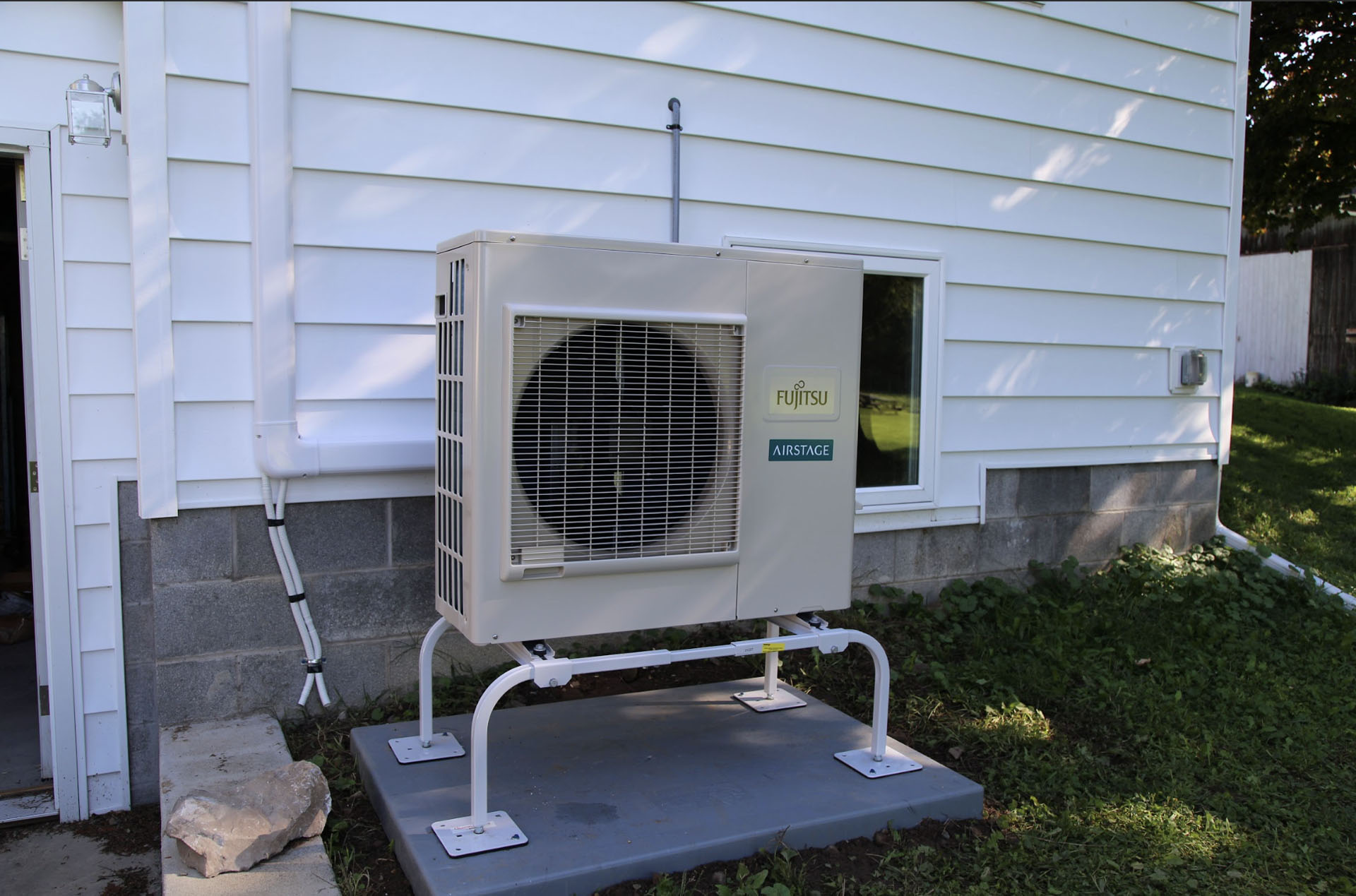 If you are installing a new heat pump or replacing an older system, it helps to look beyond upfront installation costs and think about long-term comfort, energy use, and the ongoing cost of running a heat pump.
Return on investment
A quality heat pump can improve energy efficiency, deliver more consistent heating and cooling, and help make monthly costs more predictable. Your return depends on the current equipment you are replacing, local electricity rates, how often the pump will run, and whether backup heat is needed during Rochester cold snaps. Over time, higher pump efficiency can translate into meaningful energy savings and lower operating cost.
Ducted vs. ductless systems
Choosing between ducted and ductless systems affects both comfort and long-term operating costs. Ducted setups can be a great fit when a home already has well-designed ductwork and airflow. Ductless layouts often work better in older Rochester homes, finished attics, additions, and spaces where adding ductwork is difficult or expensive. In many cases, the right layout improves how evenly heat is delivered and helps the system operate more efficiently.
Cost vs. performance
Higher-efficiency heat pump systems often come with a higher installation cost and higher installation costs overall, but they can reduce the operating cost over time by using less energy for the same comfort level. Performance also matters in cold weather. A cold-climate heat pump can provide reliable heat at lower outdoor temperatures, while some setups may need supplemental electric heat or a hybrid gas backup for the coldest days. The best balance comes from matching the unit and system design to how your home is used and the comfort expectations you want year-round.
Why Work With a Trusted HVAC Contractor Like John Betlem
John Betlem Heating & Cooling has been working in Rochester homes for decades. We’ve seen how insulation, layout, and system design affect energy use in this climate. Our focus is matching equipment to the house, not forcing a one-size solution.
Schedule a Heat Pump Evaluation in Rochester, NY
If your heat pump seems to run constantly or your bills don’t match expectations, a professional evaluation can help explain why. Looking at insulation, layout, and system setup usually tells the story.
Schedule online or call [Phone] to talk through your system with John Betlem Heating & Cooling.
Schedule Online