

Blog
Comparing a Furnace vs Heat Pump: Are Furnaces or Heat Pumps Better in Rochester, NY
Choosing the right heating system is a big decision for homeowners in Rochester and across Western New York. With long winters, fluctuating utility rates, and a wide range of home styles, the choice between a furnace and a heat pump can affect everything from comfort to energy bills. In this post, we’ll break down how each system works, where each excels, and what local homeowners should consider when choosing between the two.
Understanding a Heat Pump vs. Furnace
Before choosing a system, it helps to understand how each one works and what fuels it.
- Furnaces generate heat by burning fuel (typically natural gas, propane, or oil) or using electricity. They blow warm air through ducts to heat your home.
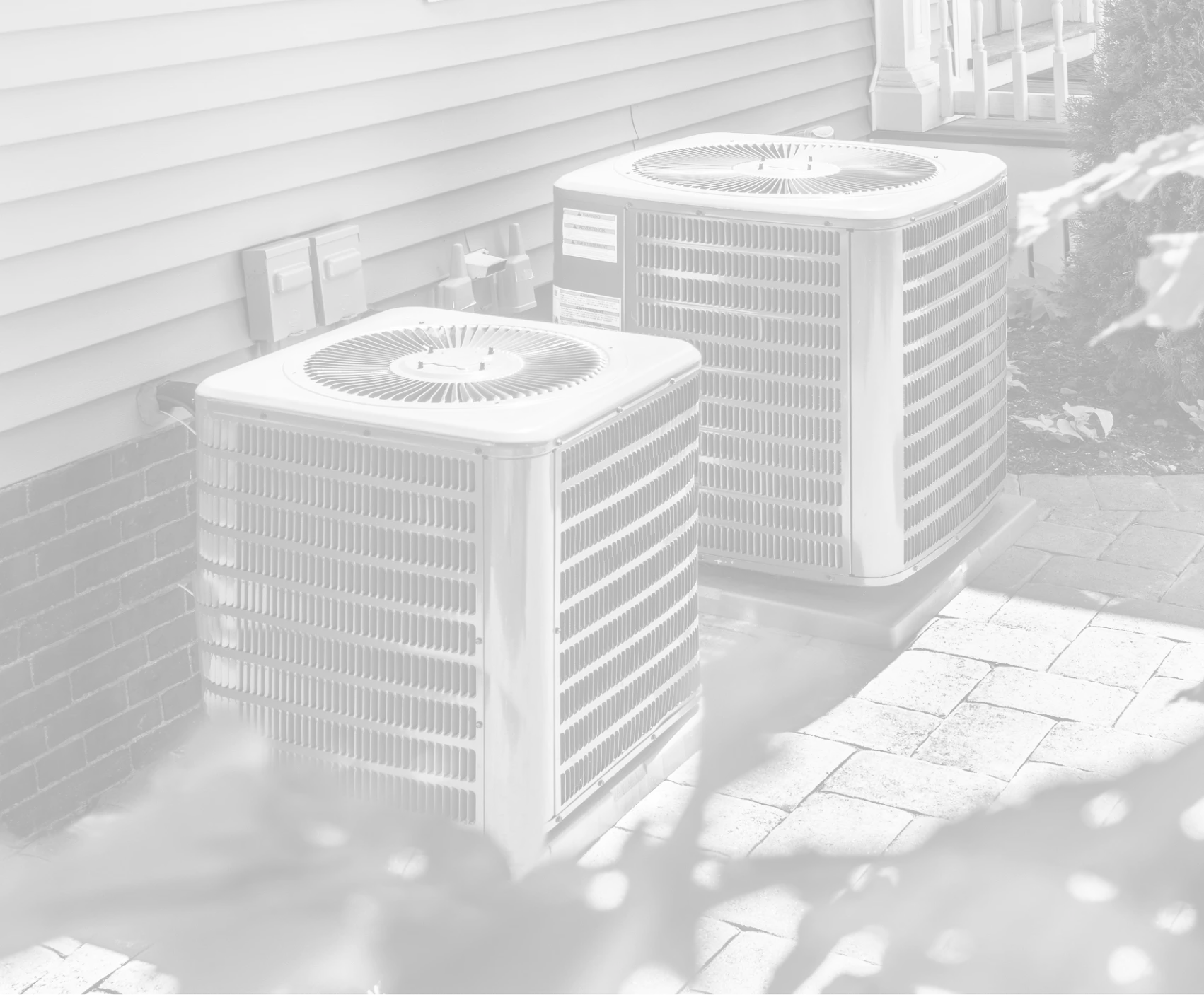
- Heat pumps work by moving heat rather than creating it. In heating mode, they extract heat from the outside air and transfer it indoors. In cooling mode, they reverse the process, working like an air conditioner.
Fuel Source and Efficiency for Furnaces and Heat Pumps
- Furnaces are typically powered by natural gas in Rochester, which is widely available and generally cost-effective.
- Heat pumps run on electricity and are extremely efficient in moderate climates, especially when paired with modern insulation and ductwork.
- Because heat pumps move heat rather than generate it, they use less energy in mild conditions. However, their efficiency can decrease in freezing temperatures without backup heat.
Climate Considerations for Energy Efficiency in Rochester
In Western New York, winters are long, and temperatures often dip well below freezing. This has a big impact on how each system performs.
- Furnaces are well-suited to Rochester winters, providing consistent, high-output heat regardless of the temperature outside.
- Heat pumps have improved significantly and many modern systems now function efficiently in temperatures as low as 5 degrees Fahrenheit. Still, their output drops in extremely cold weather.
What About Hybrid Systems?
Some Rochester homeowners install dual-fuel or hybrid heating systems. These pair a heat pump with a furnace to maximize efficiency and comfort. The heat pump handles heating during mild to moderate temperatures, while the furnace kicks in when it’s too cold for the heat pump to work efficiently. This can reduce energy costs without sacrificing winter performance.
Key Differences: Cost, Efficiency, and Longevity
When comparing heating systems, there are a few key factors to weigh beyond just the initial price tag.
Installation and Operating Costs
- Furnace installation is often less expensive upfront, especially if your home already has ductwork and gas lines.
- Heat pumps tend to have higher initial costs but may lower your monthly utility bills over time, especially if paired with smart thermostats and insulation upgrades.
Energy Use Over Time
- Gas furnaces are efficient, but electric heat pumps use less energy overall in moderate conditions.
If you're looking for energy-efficient heating, a cold-climate-rated heat pump may be worth the investment.
Maintenance and Lifespan
- Furnaces typically need annual inspections and maintenance, including filter changes and burner cleaning.
- Heat pumps also require routine checks but generally have fewer combustion-related components.
- Both systems can last 10 to 15 years with regular maintenance, though local weather, usage, and proper installation all affect longevity.
Heat Pump vs Furnace: When to Choose One Over the Other
There’s no one-size-fits-all answer. The right system for your home depends on your budget, preferences, and how your home is built.
Choose a furnace if:
- You prioritize high heat output and unfailing performance in sub-zero temperatures
- Your home already has a gas furnace setup
- You prefer a proven heating solution for Western New York winters
Choose a heat pump if:
- You want an all-in-one heating and cooling system
- Your focus is on energy efficiency and lowering your carbon footprint
- You live in a well-insulated home and want a quieter, cleaner system
Want to explore both options? We offer a full range of furnace installation options and hybrid system consultations.
Still weighing your options? If your system is older, it may be time to consider a full HVAC system replacement. You can also dive deeper into the benefits of air source heat pumps or learn when it’s best to call an HVAC professional for expert guidance.
Ready to Compare Systems?
If you're upgrading your existing system or planning a new installation, John Betlem Heating & Cooling can help you choose between a furnace and a heat pump. We serve Rochester and the surrounding Western New York region with expert advice and professional installation services.
Contact us today to schedule a consultation and find the right heating system for your home.
Frequently Asked Questions
Yes, many modern heat pumps are designed to work in cold climates. Cold-climate heat pumps can perform efficiently in temperatures down to 5 degrees Fahrenheit. Some systems include built-in auxiliary heat to help during the coldest days.
It depends on your energy rates and system efficiency. Heat pumps tend to cost less in mild temperatures, while gas furnaces may be more economical during long stretches of extreme cold.
Yes. Many homeowners in Rochester are switching to electric systems or hybrid setups. A professional technician can assess your ductwork, insulation, and electrical panel to determine what upgrades are needed.
A heat pump can be less effective in colder climates, where it may struggle to provide heat as efficiently as traditional furnaces, especially during extreme temperatures. This is why some homes use dual-fuel systems with a gas furnace for backup. Upfront costs can also be higher, though improved energy efficiency can help offset this over time. Additionally, the air may feel cooler compared to the warmer output from gas furnaces or electric furnaces, even when the home is properly heated.
A heat pump is an HVAC system that heats and cools your home by transferring heat instead of generating it like furnaces. It pulls heat from outdoor air and moves it inside to provide heat, then reverses the process to cool your home. Because it transfers heat rather than creating it, a heat pump is highly efficient and works best in areas with mild winters, making it a popular option in many parts of the United States.
Most furnaces last between 15 and 20 years, depending on maintenance, usage, and the type of system installed in your home. In colder climates like Rochester, NY, furnaces often run longer throughout the year, which can impact lifespan. Systems like gas furnaces, oil furnaces, and electric furnaces all have slightly different lifespans, but regular HVAC maintenance helps extend performance, improve energy efficiency, and reduce long-term costs. If your furnace is older and requires frequent repair, it may be time to explore replacement options.